01REINFORCEMENT
Reinforcement & dimensional stability
Fine glass wool fibres are dispersed through the resin. Formulations are evaluated according to the required stiffness, heat resistance, warpage, and sink-mark performance.
 MAH FACTORY Co., Ltd.Recycled Materials & GW Composite Technology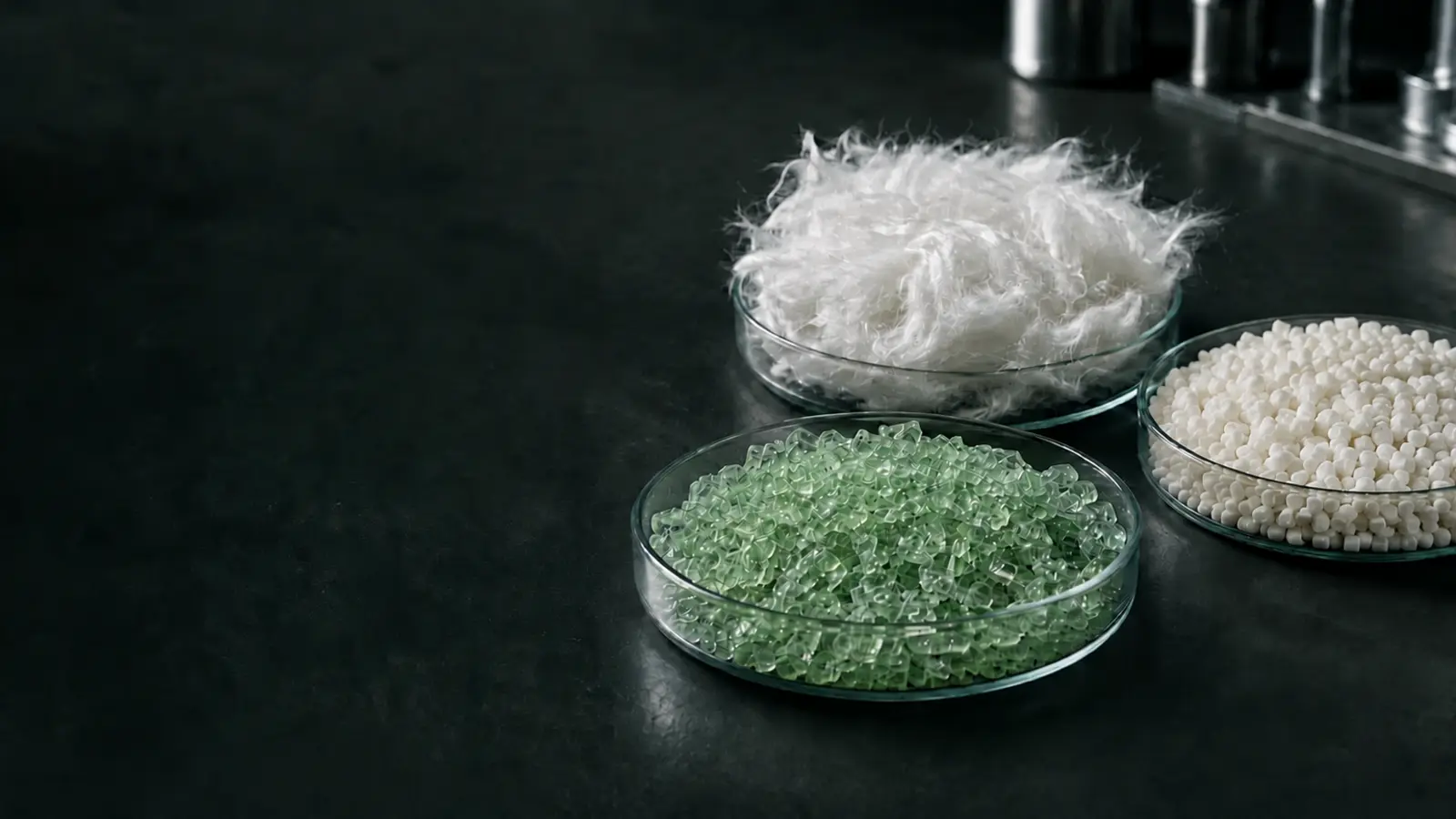
GLASS WOOL COMPOUNDING TECHNOLOGY / MOSU-FIBER MB
Using our proprietary glass-wool compounding technology, glass wool (GW) produced primarily from waste glass is incorporated into thermoplastics while fibre agglomeration is reduced and dispersion is improved. We tailor the material to each application, combining effective resource use with improvements in reinforcement, flow, mouldability, surface quality, and productivity.
WHAT IS MOSU-FIBER MB?
Mosu-fiber MB is not simply a resin with glass wool mixed into it. Resin- and application-specific fibre surface treatment, formulation design and compounding conditions are adjusted to reduce fibre agglomeration and improve dispersion through the resin. The result is an easy-to-handle pelletised GW masterbatch developed with our proprietary glass-wool compounding technology. Mosu-fiber MB is the brand name for the masterbatch and its composite-material technology—not for loose glass wool fibre itself.
About the name Mosu-fiber MB ↓It is not designed only as a substitute for conventional highly filled glass-fibre compounds. Fibre dispersion, resin selection, and moulding conditions are tailored to each application. From low loading to high-content formulations, we target improvements in reinforcement, flow, dimensional stability, surface appearance, and productivity.
Dispersion and the resulting effects vary with resin type, loading level, part geometry, mould specification and moulding conditions. Confirmation with a sample or actual moulded part is recommended.
Typical values for our current PP masterbatch.
Values shown are typical. The formulation and specification are reviewed for each resin grade, application, and performance requirement.
Indicative weight ratios when using a PP masterbatch containing 60% GW.
Loading is adjusted to the resin, performance requirements, and moulding conditions.
We review your resin, application and moulding conditions, then propose evaluation samples together with suitable formulations and comparison conditions.
EXPECTED BENEFITS
Mosu-fiber MB is not a universal drop-in replacement.
We review the current resin, part geometry, and moulding conditions,
then compare the effects most relevant to the application.
Fine glass wool fibres are dispersed through the resin. Formulations are evaluated according to the required stiffness, heat resistance, warpage, and sink-mark performance.
We target reliable filling of thin or complex sections while minimising fibre read-through and surface roughness often associated with glass-fibre materials.
Cooling and moulding conditions are reviewed to identify opportunities for shorter moulding cycles and lower energy use.
Glass wool produced primarily from waste glass is given a new role as a functional material in thermoplastic products.
Under these test conditions, the GW 5% formulation showed surface roughness comparable to neat PP and a GF 5% formulation. Appearance depends on the resin, part geometry, mould, and processing conditions, so confirmation with an actual sample is recommended.
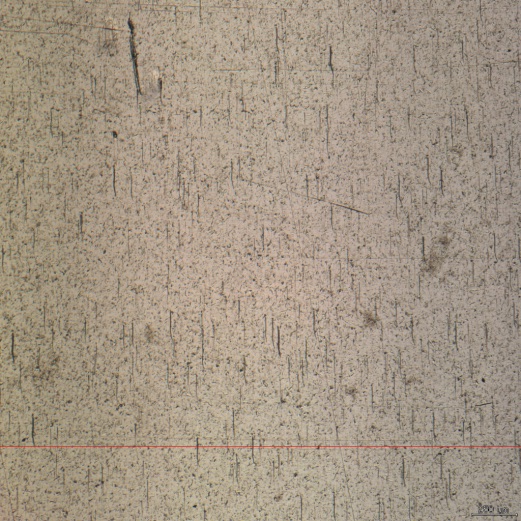
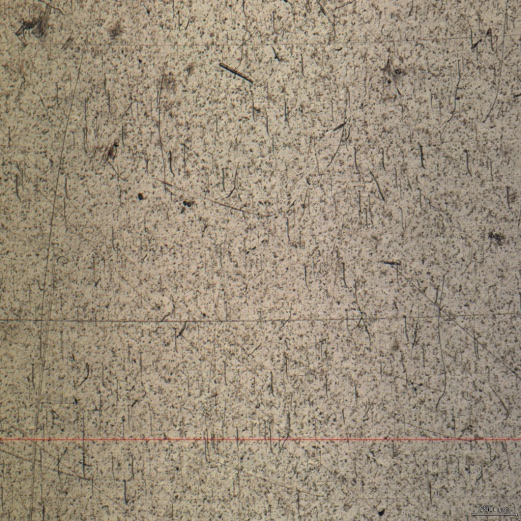
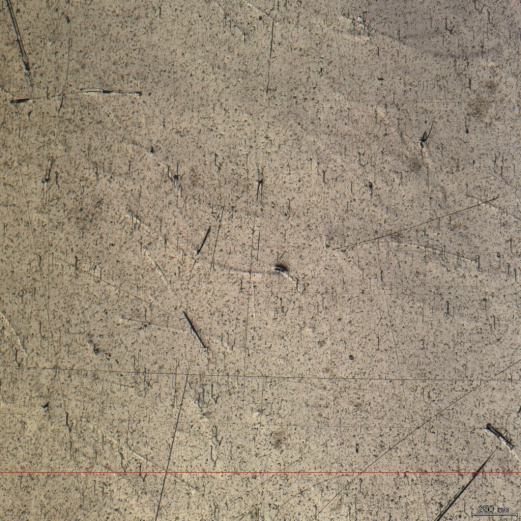
Reproduced from a presentation by the Morinomiya Center, Osaka Research Institute of Industrial Science and Technology, at the Japan Society of Polymer Processing. Results are from specific test conditions.
An increase in heat deflection temperature (HDT) with GW may raise the temperature at which the part can be demoulded, contributing to shorter cooling time and moulding cycles. Reductions of approximately 20-30% were observed in one evaluation.
This is an example under specific conditions and is not a performance guarantee. Similar results may not be obtained when the base material already contains inorganic fillers or nucleating agents. Results vary with the resin, loading level, mould, part geometry, and processing conditions.
CROSS-MATERIAL RECYCLING
In addition to glass-to-glass recycling, combining different material streams creates a new outlet for recovered resources.
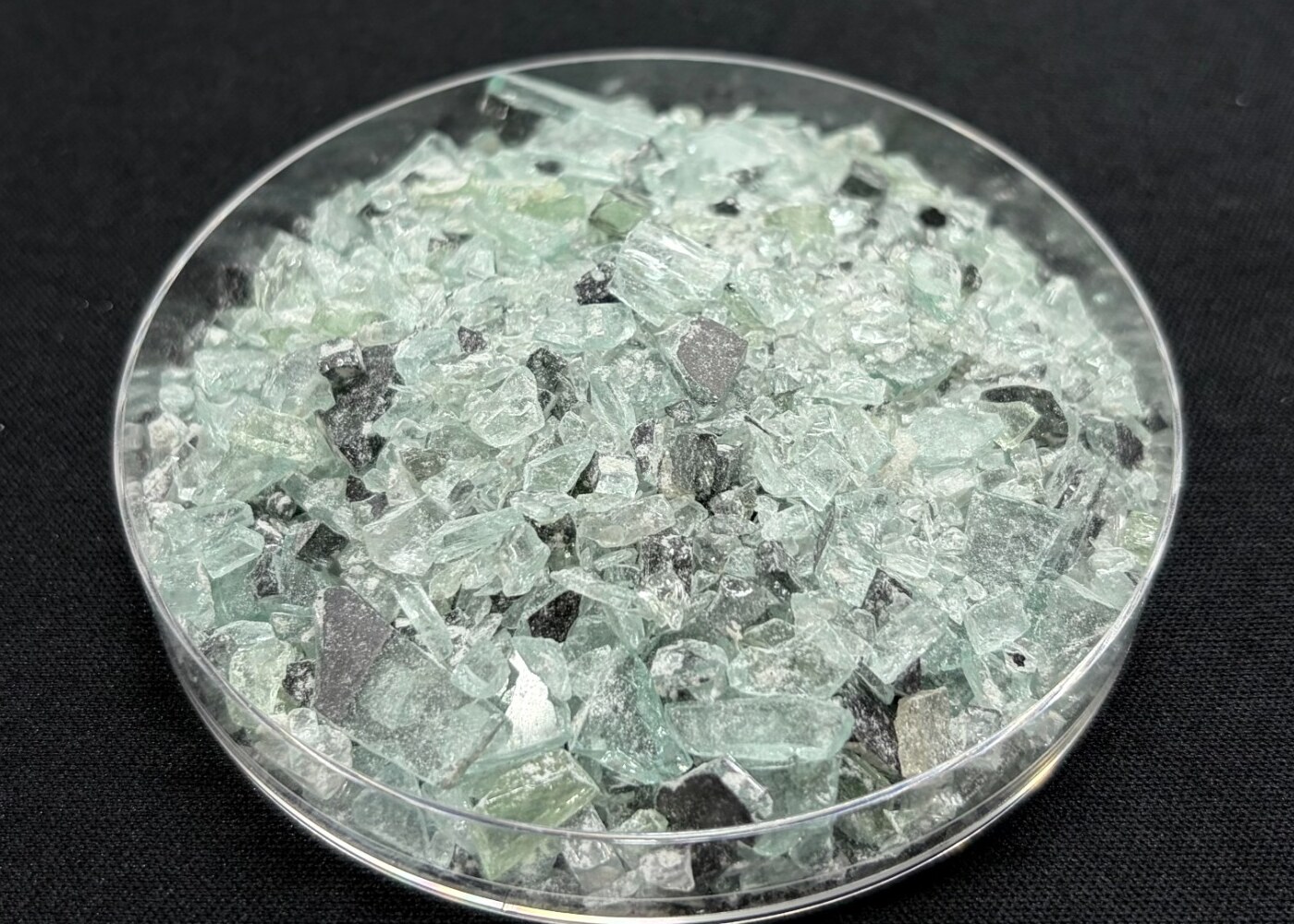
Plate, bottle, automotive, and other waste glass is recovered as a raw material.
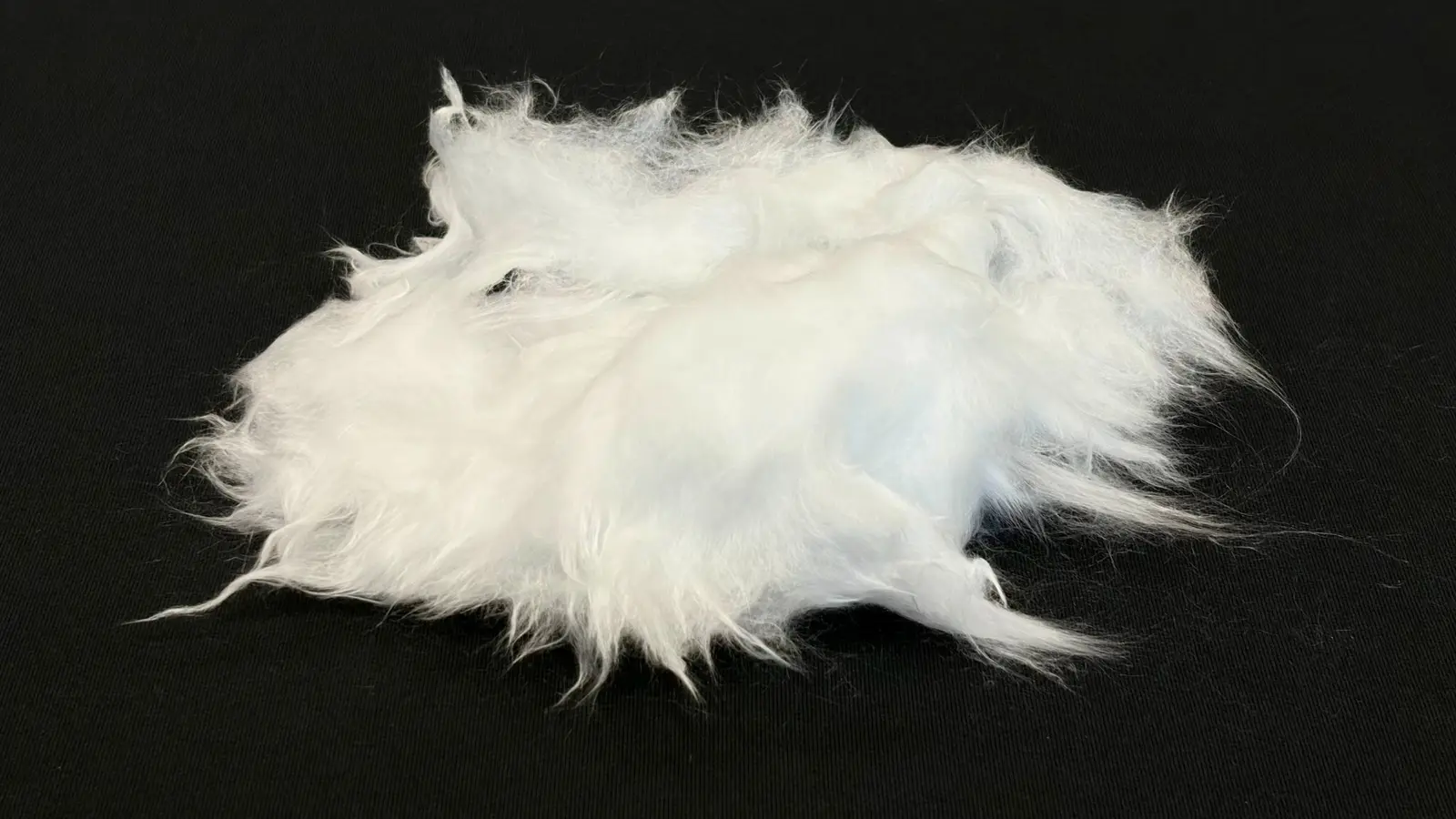
Waste glass is used as the primary raw material for fine, flexible GW with a fibre diameter of 4-6 μm.
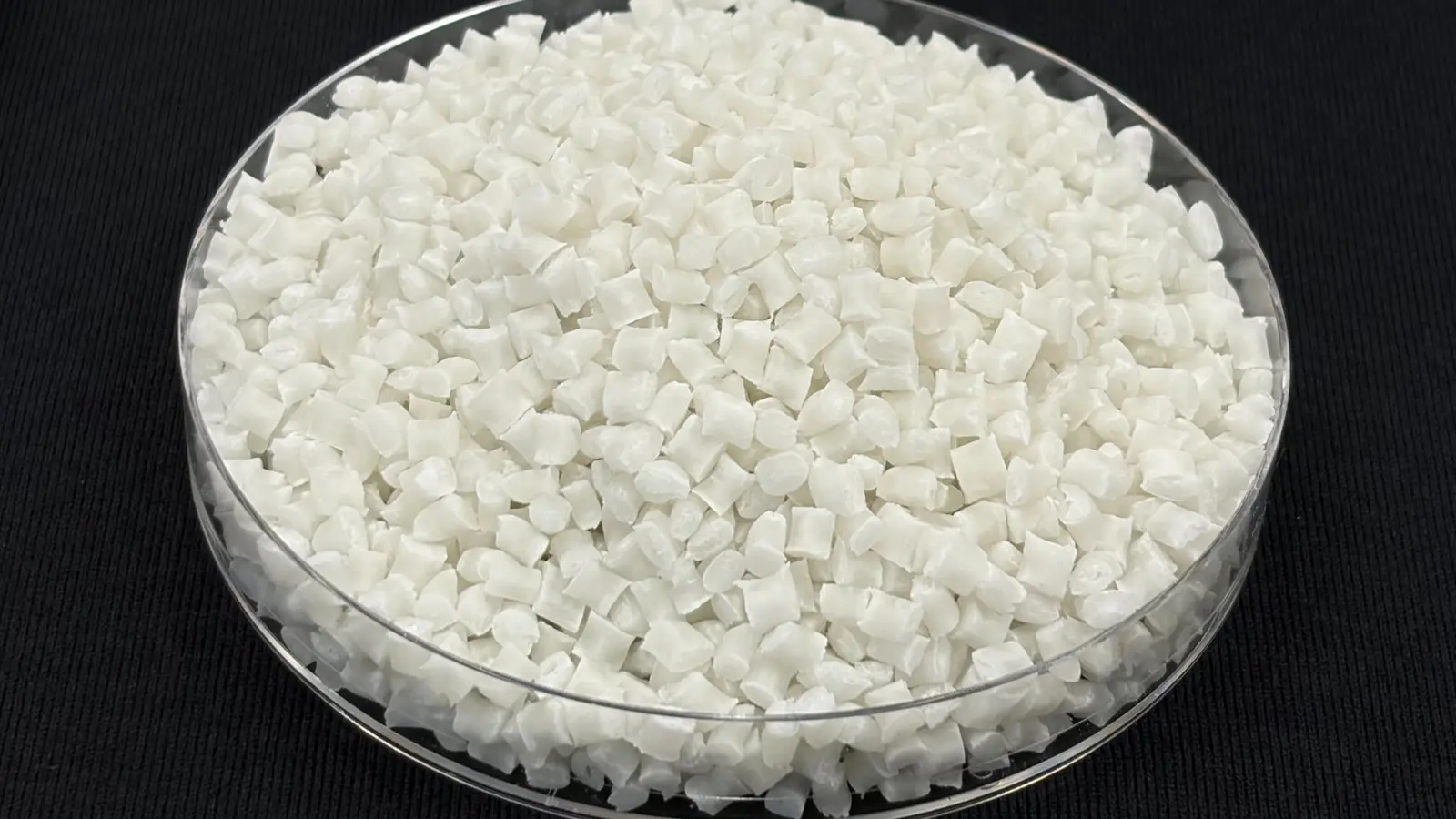
The fibres receive resin- and application-specific surface treatment and are compounded into PP at up to 60% GW content.
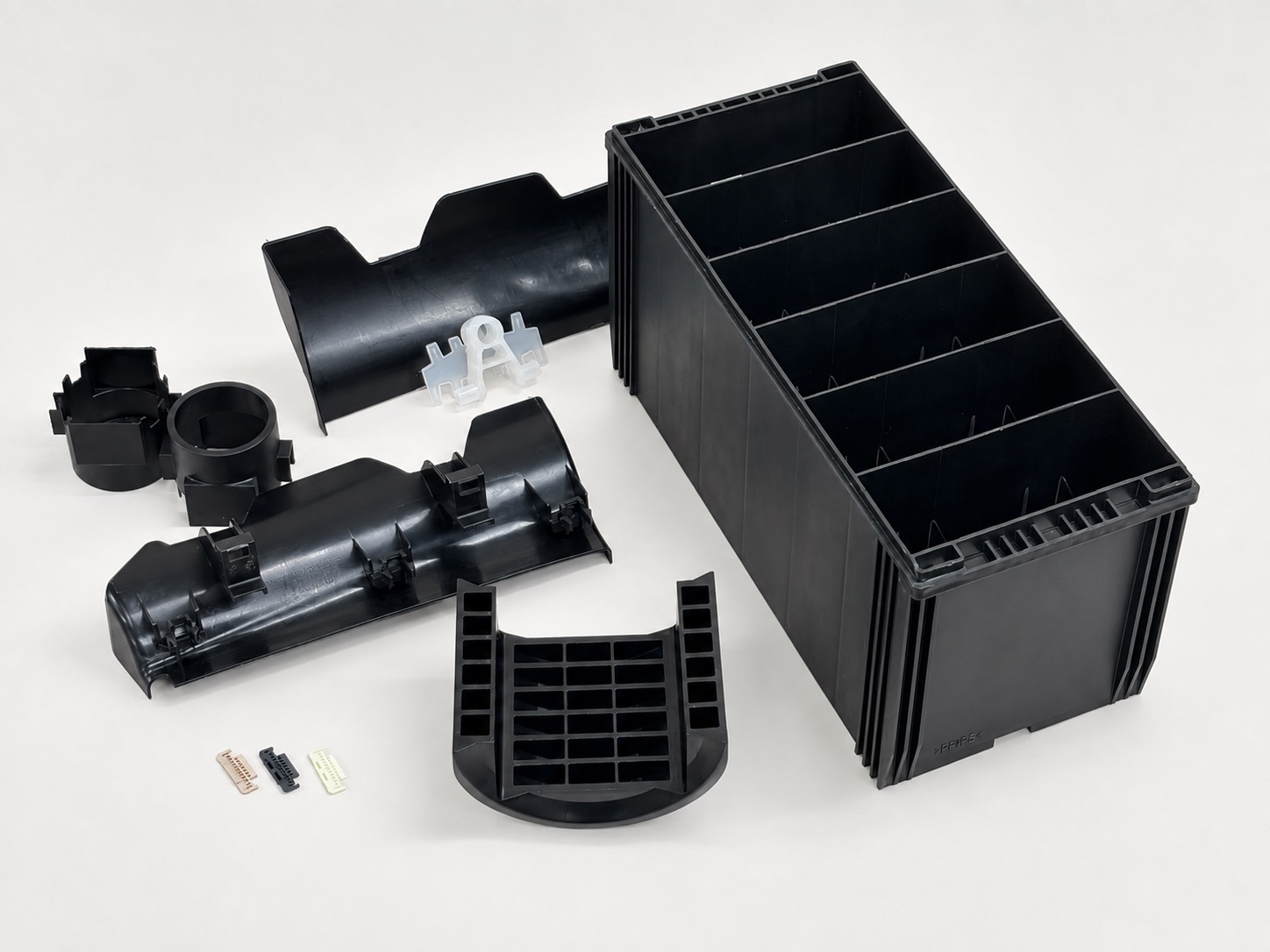
The masterbatch is blended with the base resin and evaluated for the product geometry, performance targets, and moulding conditions.
RESINS & APPLICATIONS
We first review the current material and required properties,
then define the loading levels and evaluation items. Decisions are based on actual parts and applications, not material data alone.
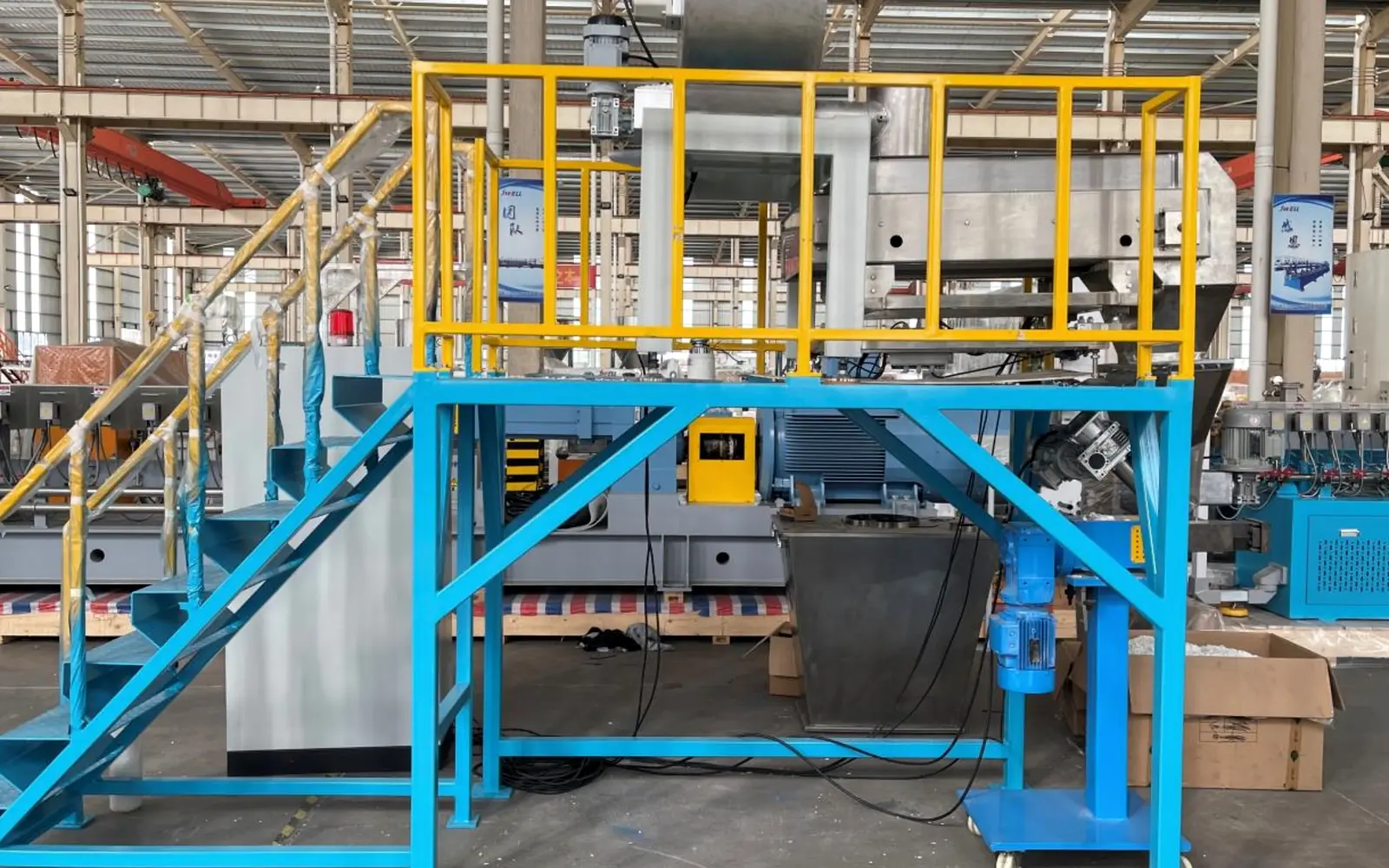
A masterbatch containing up to 60% GW is dry blended with the base PP and fed into the moulding process like ordinary plastic pellets.
The E-glass wool currently used for these trials is made from virgin E-glass, commonly described as alkali-free glass. We offer custom formulation and fibre-surface-treatment trials with this material while developing a transition to GW that supports the effective use of waste glass.
Waste-glass-derived GW is produced mainly from soda-lime glass containing alkali constituents. Because its composition differs from E-glass, compatibility and properties are verified for each resin.
Our standard proposal uses 3-5% GW to improve mouldability and productivity while limiting the cost impact. For applications requiring higher stiffness or dimensional stability, formulations containing approximately 20-30% GW can also be designed and evaluated individually.
GW can be evaluated in combination with existing inorganic fillers other than glass fibre (GF), or as a partial replacement for them. We compare the balance of stiffness, dimensional stability, flow, surface quality, and cost while making use of the existing formulation.
Automotive & appliances
Industrial materials
Logistics materials
Consumer products
Sheets & moulded parts
EVALUATION PROCESS
Rather than deciding the loading level first, we review the current material and production issue, then establish conditions that allow clear comparison.
We confirm the resin, part geometry, current properties, moulding conditions, and improvement targets.
The basic comparison uses no GW, 3% GW, and 5% GW, with high-content or mixed-filler formulations added when appropriate.
Parts are moulded with the actual equipment and tooling to assess appearance, properties, productivity, and equipment impact.
FAQ
Key questions about handling, equipment, surface appearance, recycling, and compatible resins.
Mosu-fiber MB is supplied as a pelletised masterbatch in which GW is already compounded into the resin. Because loose fibres do not need to be fed directly, airborne fibre at the moulding site can be reduced and the material can be handled using standard plastics-processing equipment and procedures. IARC, the World Health Organization's cancer agency, classifies insulation glass wool as Group 3 (not classifiable as to its carcinogenicity to humans). This is not a categorical finding of zero carcinogenicity; epidemiological studies of occupational exposure did not show increased risks of lung cancer or mesothelioma. Because classifications vary by fibre type and composition, detailed handling information is provided in the SDS and related documents.IARC Monographs Volume 81 (2002) ↗
Wear depends on the resin, loading level, mould material, gate design, injection speed, moulding pressure, and number of shots. Mosu-fiber MB is generally proposed at low loading levels first and is evaluated in comparison with the customer's current material.
By reducing fibre agglomeration, improving dispersion and using relatively low loading levels, formulations can be developed to minimise their effect on appearance. Surface quality varies with the resin and moulding conditions, so confirmation with an actual moulded sample is recommended.
Evaluation can be conducted on the assumption that moulded material will be reground and remoulded. Properties and appearance may change depending on grinding conditions, the number of recycling cycles, and the formulation, so application-specific verification is required.
PP is our standard specification with supply experience. For crystalline engineering plastics such as PA, PBT, and PPS, we currently offer custom trials and evaluation using E-glass wool; waste-glass-derived GW is under development. Amorphous resins such as ABS and PS are not included in our standard proposal at this time.
“Mosu” combines “Mo,” from the Chinese word for magic, 魔术 (Móshù), and “Su,” from the Chinese word for plastic, 塑料 (Sùliào). The name expresses our aim to open new possibilities for plastics.
DEVELOPMENT & PRODUCTION NETWORK
MAH FACTORY has worked for many years with SHANGHAI NADASI Co., Ltd., whose business operations include participation by MAH FACTORY’s representative as a director, in the joint development of glass wool and polymer composite materials.
Production is organized with selected partner facilities in China according to product specifications and quality requirements.
We are responsible for technology planning, intellectual property management, technical proposals, and sales.
NADASI coordinates material sourcing, prototyping, partner-factory selection, production management, and quality control.
For projects completed entirely within China, NADASI may respond directly.